#2 Rank

Asian University Rankings
Southern Asia (Top Universities) - 2026

#3 Rank

NIRF India Rankings - 2025
(Engineering Category)

#19 Rank

Pitchbook Sept 2025- Top 100 Global Universities Ranked for Entrepreneurs

#129 Rank

QS World University
Rankings-2025

Overview

The global innovation and entrepreneurship landscape is transforming at an unprecedented pace. India's vibrant startup ecosystem, coupled with the rise of corporate intrapreneurship and technology-driven ventures, demands a new breed of leaders, individuals equipped with the mindset, frameworks, and capabilities to translate ideas into market-ready ventures.


The e-Postgraduate Diploma in Innovation & Entrepreneurship from the Desai Sethi School of Entrepreneurship (DSSE), IIT Bombay, is meticulously designed to meet this demand. This rigorous 36-credit diploma, delivered in a flexible format, empowers aspiring entrepreneurs, startup founders, corporate intrapreneurs, and R&D professionals to master the entire venture creation lifecycle. From opportunity identification and design thinking to entrepreneurial finance and leadership, the curriculum blends academic rigour with practical, application-driven learning. Join a vibrant cohort of innovators and gain the prestigious IIT Bombay credential that sets you apart.

Learning Outcomes

Identify and Validate Opportunities through structured discovery and design thinking.

Develop and Prototype Solutions using practical design and innovation methodologies.

Apply Entrepreneurial Finance to understand funding, valuation and venture sustainability.

Build Go-to-Market Strategies for launching and growing ventures.

Lead High-Performance Teams and develop essential entrepreneurial leadership capabilities.

Create Scalable Ventures with sustainable business models and growth strategies.

Key Differentiators

image
IIT Bombay e-Postgraduate Diploma credential: Earn an IIT Bombay e-Postgraduate Diploma upon successful completion.
image
e-Alumni Status: Receive IIT Bombay e-Alumni Status upon successful completion of the ePGD.
image
Entrepreneurship-Focused Curriculum: Build expertise in innovation and entrepreneurship for startups and corporate innovation, through a structured curriculum.
image
Flexible Structure: Complete the 36-credit diploma in 1–3 years.
image
Practice-Oriented Learning: Identify opportunities, develop prototypes and create business plans.
image
Ecosystem Engagement: Connect with incubators, investors, mentors and potential customers.
image
Diverse Peer Learning: Learn alongside professionals from startups, industry, R&D and innovation ecosystems.
image
Application-Based Approach: Focus on real-world venture creation and business–oriented outcomes.
image
From Opportunity to Venture: Identify opportunities, design solutions and build prototypes through hands-on learning. Gain exposure to POC labs, solution design studios, IIT Bombay facilities, incubators and accomplished entrepreneurs.

Pedagogy Methodology

The diploma will adopt a practice-oriented and application-driven approach, combining:

Concepts and frameworks on innovation & entrepreneurship

Hands-on individual and group projects

Real-world case-based learning

Simulation-led decision-making

Industry tools and databases

Experiential fieldwork

Entrepreneurial pitch sessions

IIT Bombay e-Alumni Status - Benefits

Upon successful completion of the ePGD, participants will be eligible to receive IIT Bombay e-Alumni status.

βœ”

Access to the IIT Bombay alumni community

βœ”

Networking opportunities with fellow alumni

βœ”

Invitations to selected alumni events and engagements

βœ”

An IIT Bombay email ID, issued upon award of the diploma
Disclaimer: e-Alumni status, associated benefits, and the enrolment process are governed by IIT Bombay and are subject to the institute's prevailing policies and discretion.

Know the Facilitators

Prof. Trupti Mishra

Prof. Trupti Mishra

Head, DSSE | Professor, SJM School of Management | Convener, ePGD Committee
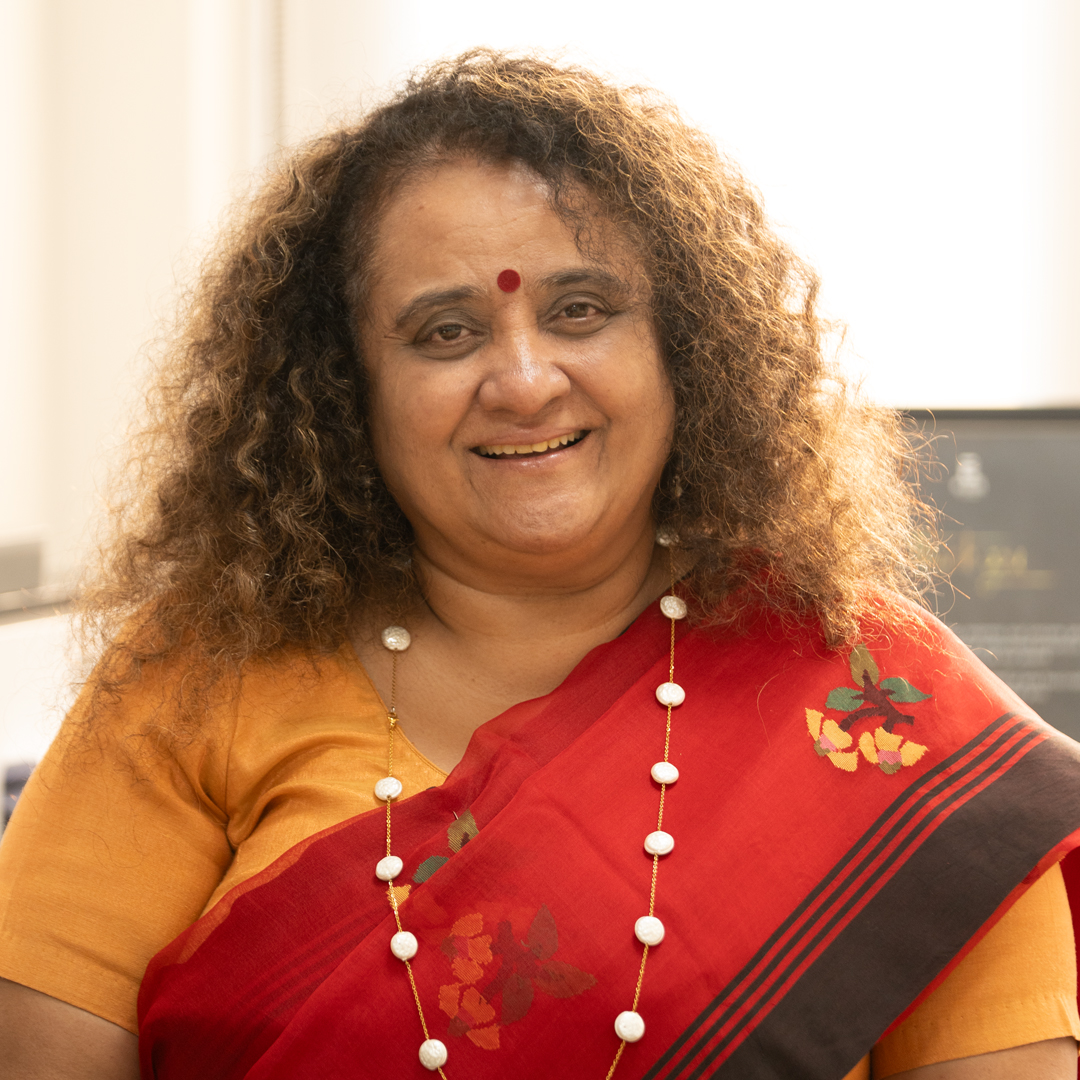
Prof. Anuradha Narasimhan

Prof. Anuradha Narasimhan

Professor of Practice & Former Head, DSSE | Member, ePGD Committee

Prof. Nishant Sharma

Prof. Nishant Sharma

Professor-in-Charge, SINE | Ramakrishna Bajaj Chair Professor | Professor, IDC School of Design, IIT Bombay
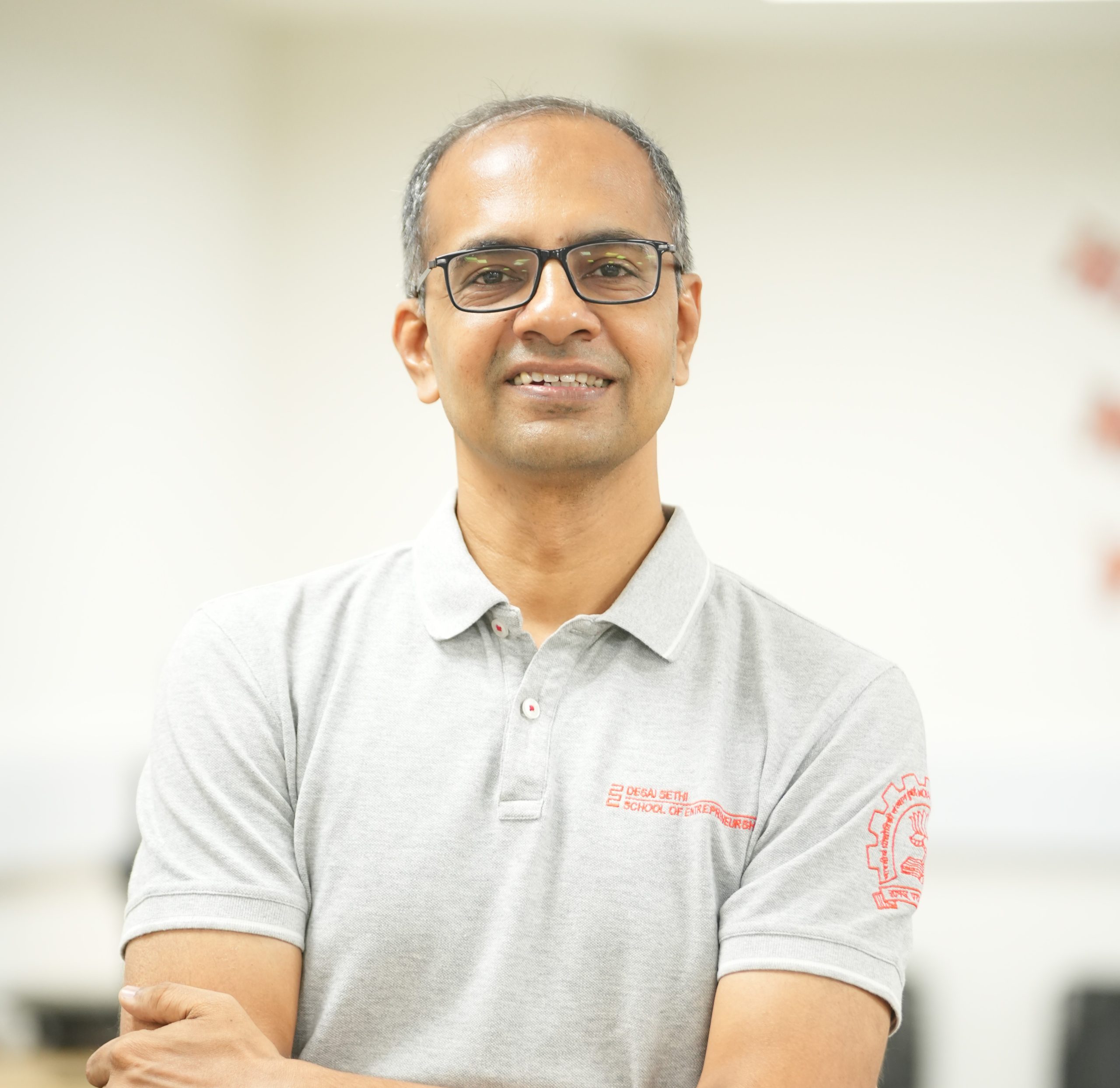
Prof. Sankalp Pratap

Prof. Sankalp Pratap

Associate Professor, DSSE | Member, ePGD Committee

Prof. Ramesh Kuruva

Prof. Ramesh Kuruva

Assistant Professor, DSSE

Prof. Umakant Jayaram

Prof. Umakant Jayaram

Adjunct Professor, DSSE

Prof. Devdip Purkayastha

Prof. Devdip Purkayastha

Adjunct Professor of Practice, DSSE

Prof. Ramesh Mangaleswaran

Prof. Ramesh Mangaleswaran

Honorary Adjunct Professor of Practice, DSSE

Prof. Rajesh Gopinathan

Prof. Rajesh Gopinathan

Honorary Adjunct Professor of Practice, DSSE
Curriculum

1. Fundamentals of Venture Creation (Credits: 6)

  • 1. Opportunity Identification
  • 2. Opportunities Landscape (Multiple domains)
  • 3. Customer Value Proposition
  • 4. Customer Discovery
  • 5. New Product Development
  • 6. Intellectual Property
  • 7. Branding & Marketing
  • 8. Sales & Distribution / Go to Market
  • 9. Business Models & Business Model Canvas
  • 10. Entrepreneurial Finance
  • 11. Unit Economics
  • 12. Incubation Ecosystem
  • 13. Basics of Communication
  • 14. Investor Pitching

2. Business Finance for Entrepreneurs (Credits: 6)

  • 1. Business Landscape
  • 2. Role of Finance
  • 3. Financial Assets and Liabilities
  • 4. Capital, Debt, and Equity
  • 5. Product Pricing
  • 6. Break-even Analysis
  • 7. Startup Financing Sources
  • 8. Balance Sheet
  • 9. Financial Ratios
  • 10. Accounting and Cash Flow
  • 11. Financial Risk
  • 12. Venture Capital
  • 13. Funding Negotiations
  • 14. Valuation and Business Sustainability
  • 15. From Startup to Scale-up

3. Design Thinking (Credits: 6)

  • 1. Technology Innovation
  • 2. Innovation Opportunities
  • 3. Research and Translation
  • 4. Problem-solving Approaches
  • 5. Product Design
  • 6. Design for X (DfX) and Product Lifecycle
  • 7. Prototyping
  • 8. Product Validation
  • 9. Innovation Teams
  • 10. Project Management
  • 11. Intellectual Property Rights (IPR)
  • 12. Patents
  • 13. Other Forms of Intellectual Property
  • 14. Patents to Profits
  • 15. Continuous Improvement

4. Technology Venture Formation (Credits: 6)

  • 1. Technology Ventures
  • 2. Startup Ecosystem
  • 3. Incubators and Technology Parks
  • 4. Startup Venture Resources
  • 5. Reality Check I: Problem Validation
  • 6. Reality Check II: Solution Validation
  • 7. Go-to-Market Strategy for Startups
  • 8. Financial Projections
  • 9. Startup Team
  • 10. Startup Capital
  • 11. Business Model Development
  • 12. Proposal Pitching
  • 13. Startup Incorporation
  • 14. Social Entrepreneurship
  • 15. Business Growth and Scaling

5. Marketing and Sales for Entrepreneurs (Credits: 6)

  • 1. Customer Problem Discovery
  • 2. Customer Persona Development
  • 3. Market Segmentation and Market Sizing
  • 4. Customer Value Proposition
  • 5. Customer-centric Solution Design
  • 6. Prototyping and New Product Development
  • 7. Customer Testing and Validation
  • 8. Go-to-Market Strategy
  • 9. Business Model Development
  • 10. Branding and Advertising
  • 11. Digital Marketing
  • 12. Pricing Strategy and Architecture
  • 13. Unit Economics
  • 14. B2B Sales and Distribution
  • 15. B2C Sales and Distribution
  • 16. Sales Force Strategy and Structure
  • 17. Sales Force Capability and Training
  • 18. Sales Force Automation (CRM and AI)
  • 19. After-sales Service
  • 20. Customer Loyalty and Advocacy
  • 21. Sales Forecasting and Financial Forecasting
  • 22. Investor Value Proposition

6. Strategy and Leadership for Entrepreneurs (Credits: 6)

  • 1. Basics of Strategic Thinking
  • 2. Choosing Where to Play
  • 3. Positioning, Differentiation, and Right to Win
  • 4. Operating Strategy: Capabilities and Systems
  • 5. Financial Model: Growth, Profitability, Cash Flow, and Business Viability
  • 6. Role of Leadership in Strategy
  • 7. Leadership Qualities
  • 8. Personal Leadership

7. Climate and Sustainability Impact Entrepreneurship (Credits: 6)

  • 1. Foundations of Climate Change and Sustainability
  • 2. Technology and Innovation in the Climate Domain
  • 3. Renewable Energy
  • 4. Carbon Capture and Storage
  • 5. Sustainable Transportation and Logistics
  • 6. Sustainable Agriculture and Food Systems
  • 7. Climate Entrepreneurship Landscape
  • 8. Opportunity Identification and Problem Definition
  • 9. Designing Sustainable Solutions
  • 10. Customer, Competitor, and Stakeholder Analysis
  • 11. Crafting the Customer Value Proposition
  • 12. Business Models for Sustainable Entrepreneurship
  • 13. Finance and Funding for Climate Ventures
  • 14. Scaling Ventures and Measuring Impact

8. Ethnographic Mapping of Venture Elements (Credits: 6)

  • 1. Ethnography as a Research Methodology for Innovation and Entrepreneurship
  • 2. Gaining Access to the Field
  • 3. Ethics of Ethnographic Inquiry
  • 4. Participant and Non-participant Observation
  • 5. Capturing Data through Field Notes
  • 6. Thick Description of Cultures
  • 7. Conducting Ethnographic Interviews
  • 8. Data Storage and Organization
  • 9. Shadowing Key Stakeholders
  • 10. Stakeholder Identification
  • 11. Dimensions of Data: Economic, Sociological, Psychological, and Historical
  • 12. Netnography
  • 13. Data Coding: Open Coding
  • 14. Data Coding: Axial Coding
Note:The list of modules provided is subject to change and may be updated or revised at the discretion of the professors or instructors.

Curriculum

Credits: 6

  • Opportunity Identification
  • Customer Discovery
  • Branding & Marketing
  • Entrepreneurial Finance
  • Basics of Communication
  • Opportunities Landscape
  • New Product Development
  • Sales & Distribution / Go to Market
  • Unit Economics
  • Investor Pitching
  • Customer Value Proposition
  • Intellectual Property
  • Business Models & Business Model Canvas
  • Incubation Ecosystem

Credits: 6

  • Business Landscape
  • Capital, Debt, and Equity
  • Startup Financing Sources
  • Accounting and Cash Flow
  • Funding Negotiations
  • Role of Finance
  • Product Pricing
  • Balance Sheet
  • Financial Risk
  • Valuation and Business Sustainability
  • Financial Assets and Liabilities
  • Break-even Analysis
  • Financial Ratios
  • Venture Capital
  • From Startup to Scale-up

Credits: 6

Design Thinking for User-centred Innovation

  • Introduction to Design Thinking
  • Design Thinking Process: Five Stages
  • Design Thinking as a problem-solving tool for solving wicked problems across different sectors
  • Tools and Techniques for Design Thinking process
  • Roots of Design Thinking in Human Centric Design Process
  • Design Thinking case studies in Indian companies/ organisations

Empathise with Users

  • Understanding the user and context of use
  • Interviewing (Stories, Anecdotes)
  • User research to access unmet and unarticulated needs of users
  • Observational Research
  • Types of user research. From user-centric to users as partners
  • Ergonomics and Human Factors

Defining a Problem

  • Analysis of user data to gain deeper insights
  • Empathy map
  • Insights to design ideas and action
  • Persona
  • Affinity analysis

Creative Ideation

  • Divergence and Convergence
  • Sketching, Visualisation
  • Collaborative ideation
  • Storytelling
  • Creative ideation techniques

Prototyping

  • Ideas to presentable concepts
  • Quick and Dirty Prototyping
  • Storyboards
  • Developing mock-ups models, and prototypes

Testing Ideas

  • Checking back with users' needs and aspirations
  • Usability and ergonomic testing
  • Presenting and communicating design
  • Presenting Prototypes, testing prototypes, obtaining feedback to refine products

Credits: 6

  • Technology Ventures
  • Startup Venture Resources
  • Go-to-Market Strategy for Startups
  • Startup Capital
  • Startup Incorporation
  • Startup Ecosystem
  • Reality Check I: Problem Validation
  • Financial Projections
  • Business Model Development
  • Social Entrepreneurship
  • Incubators and Technology Parks
  • Reality Check II: Solution Validation
  • Startup Team
  • Proposal Pitching
  • Business Growth and Scaling

Credits: 6

  • Customer Problem Discovery
  • Customer Value Proposition
  • Customer Testing and Validation
  • Branding and Advertising
  • Unit Economics
  • Sales Force Strategy and Structure
  • After-sales Service
  • Investor Value Proposition
  • Customer Persona Development
  • Customer-centric Solution Design
  • Go-to-Market Strategy
  • Digital Marketing
  • B2B Sales and Distribution
  • Sales Force Capability and Training
  • Customer Loyalty and Advocacy
  • Market Segmentation and Market Sizing
  • Prototyping and New Product Development
  • Business Model Development
  • Pricing Strategy and Architecture
  • B2C Sales and Distribution
  • Sales Force Automation (CRM and AI)
  • Sales Forecasting and Financial Forecasting

Credits: 6

  • Basics of Strategic Thinking
  • Operating Strategy: Capabilities and Systems
  • Leadership Qualities
  • Choosing Where to Play
  • Financial Model: Growth, Profitability, Cash Flow, and Business Viability
  • Personal Leadership
  • Positioning, Differentiation, and Right to Win
  • Role of Leadership in Strategy

Credits: 6

Foundations of Climate Change and Sustainability

Technology and Innovation in the Climate Domain

  • Renewable Energy
  • Sustainable Transportation and Logistics
  • Carbon Capture and Storage
  • Sustainable Agriculture and Food Systems

Climate Entrepreneurship Landscape

Opportunity Identification and Problem Definition

Designing Sustainable Solutions

Customer, Competitor, and Stakeholder Analysis

Crafting the Customer Value Proposition

Business Models for Sustainable Entrepreneurship

Finance and Funding for Climate Ventures

Scaling Ventures and Measuring Impact

Credits: 6

  • Ethnography as a Research Methodology for Innovation and Entrepreneurship
  • Participant and Non-participant Observation
  • Conducting Ethnographic Interviews
  • Stakeholder Identification
  • Data Coding: Open Coding
  • Gaining Access to the Field
  • Capturing Data through Field Notes
  • Data Storage and Organization
  • Dimensions of Data: Economic, Sociological, Psychological, and Historical
  • Data Coding: Axial Coding
  • Ethics of Ethnographic Inquiry
  • Thick Description of Cultures
  • Shadowing Key Stakeholders
  • Netnography
Note: The list of modules provided is subject to change and may be updated or revised at the discretion of the professors or instructors.

Key Insights

Duration

12 to 36 Months

Mode of Engagement

  • The diploma features live online lectures and campus immersion sessions every term.
  • Two courses include 75% lab-based and field-based learning at the IIT Bombay campus.
  • 3 terms a year.

Class Schedule

  • Weekdays: Two 90-minute sessions per week, from 6:30 PM to 8:00 PM
  • Saturdays: One session from 10:00 AM to 1:00 PM (Can be decided in conjunction with cohort)

Campus Immersion

  • Campus immersions are mandatory and include in-person examinations and project presentations at IIT Bombay, conducted at the end of each term.

Disclaimer: The Campus Immersion module is on a chargeable basis and not part of the total fee, and participants will need to pay for their food, accommodation, and other logistics over and above the fees.

Fees Structure

Particulars
Amount
Application Fee
INR 2,500/- + GST
Total Fee (including application fee)
INR 4,50,000/- + GST

Instalment Pattern

Instalment
Amount
Remarks
Instalment I
Term 1 courses total amount
Within 30 days of the start of the sessions
Instalment II
Term 2 courses total amount
Within 30 days of the start of the sessions
Instalment III
Term 3 courses total amount
Within 30 days of the start of the sessions
πŸ’³ Pay Now β†’

Certification

certifcate
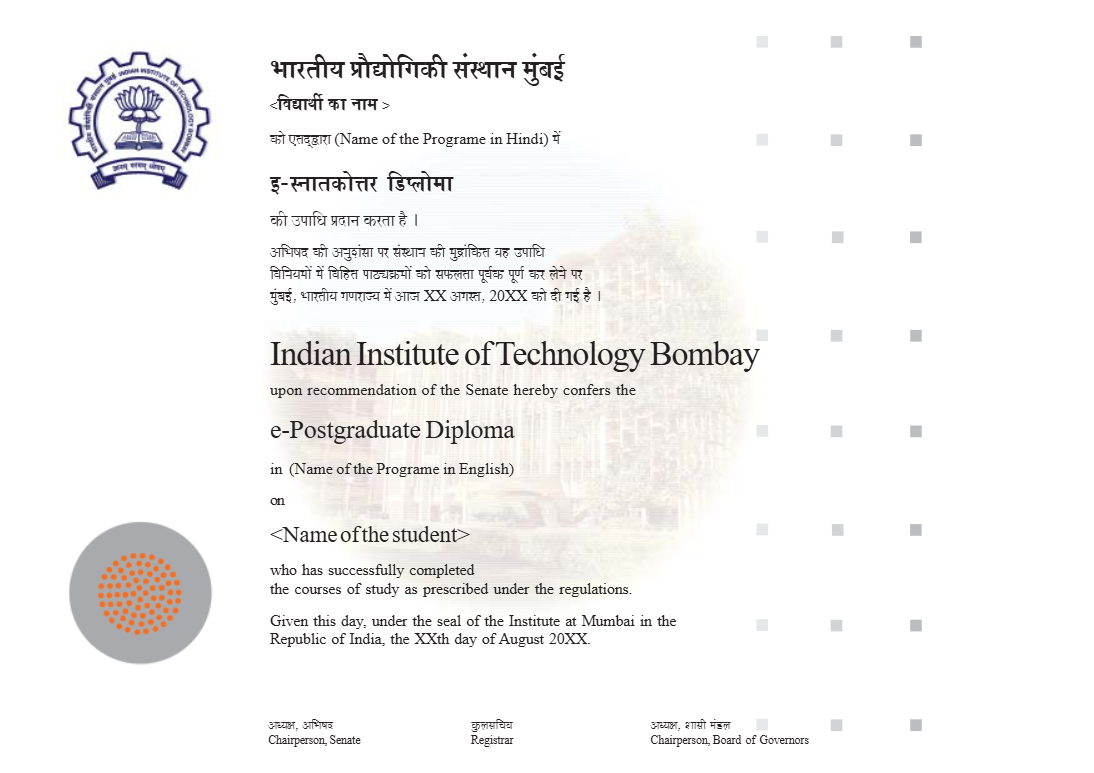
  • Upon successful completion of the ePGD, learners will be awarded the Diploma from IIT Bombay.
Enroll Now

Who Should Attend?

The e-Postgraduate Diploma in Innovation & Entrepreneurship is open to graduates from recognised universities. No prior work experience is required.

Aspiring entrepreneurs looking to build technology-led ventures

Startup founders and entrepreneurs seeking structured learning and upskilling

Corporate intrapreneurs driving innovation within organisations

R&D professionals looking to commercialise research and develop viable products

Innovation and incubation managers seeking a structured foundation in entrepreneurship

Eligibility Criteria

image

The e-Postgraduate Diploma in Innovation & Entrepreneurship is designed for students as well as working professionals. The diploma can be completed over a flexible duration of 1 to 3 years.

  • Candidates having an undergraduate degree (or equivalent) from a recognised university. The diploma is open to:
    • Engineering/Science/Business graduates who plan to start entrepreneurial ventures
    • Startup founders and entrepreneurs who want to address gaps in their knowledge and skillsets
    • Corporate intrapreneurs working within organisations
    • Researchers in industrial or public sector R&D labs interested in developing commercially viable products
    • Managers in innovation and incubation centres seeking structured learning in entrepreneurship
  • No prior work experience is required.
  • Selection Process: Admission is based on a screening process that evaluates the applicant’s academic background, statement of purpose, and overall suitability for the diploma.

Assessment per Course

  • An end-term examination is mandatory, along with project presentations.
  • Projects will follow a stage-gate model to measure innovation and venture creation.
  • Class participation will be assessed through activities and engagement.
  • In-class performance, including simulations, will be evaluated.
  • Assignments and quizzes will form part of the assessment.
  • Case evaluations will also be included.

Attendance Criteria

  • A minimum attendance of 80% is mandatory.

Frequently Asked Questions

Find answers to the most commonly asked questions about the ePGD in Innovation & Entrepreneurship.

The Diploma offers a flexible completion timeline of 12 to 36 months. Participants can complete the required 36 credits at a pace that suits their academic or professional commitments.

The Diploma is open to candidates who hold an undergraduate degree (or equivalent) from a recognised university. It is suitable for aspiring entrepreneurs, startup founders, corporate intrapreneurs, R&D professionals, innovation managers and recent graduates. No prior work experience is required.

The Diploma follows a blended learning format, comprising live online classes along with mandatory campus immersion sessions at IIT Bombay every term. Campus immersions include examinations, project presentations and selected lab- and field-based learning experiences.

Participants develop practical knowledge across the venture creation lifecycle, including opportunity identification, design thinking, customer discovery, business model development, entrepreneurial finance, marketing, technology venture formation, leadership and scaling innovative ventures.

Yes. Participants who successfully complete all Diploma requirements will be awarded an e-Postgraduate Diploma in Innovation & Entrepreneurship by IIT Bombay.

Yes. The curriculum emphasises hands-on learning through live projects, venture development exercises, prototype creation, pitch presentations, industry case studies and engagement with incubators, mentors, investors and the broader entrepreneurship ecosystem.

Take the First Step Towards Building Your Venture

For more details and guidance:

Jaro Education – Admission Expert